
At The Hive Early Learning Centres, we understand that good nutrition is essential for your child’s diet, growth, and overall wellbeing. One of the most important—and delicious—components of a balanced child’s diet is fresh fruit.
Nutrition plays a critical role in a child’s development. Studies have shown that children who consume a diet rich in fruit are more likely to develop healthy eating patterns as they grow. This early introduction to nutritious foods can set the stage for lifelong habits. For example, a child who enjoys a variety of fruits may be more inclined to try other healthy foods, such as vegetables or whole grains, fostering a balanced diet.
Fresh fruit provides essential vitamins, minerals, and fibre, while offering a natural source of energy that supports active, curious learners. From boosting immunity to aiding digestion, fruit plays a vital role in keeping children healthy and energised.
Furthermore, the importance of fruit cannot be overstated when it comes to cognitive function. Fruits such as blueberries have been linked to improved memory and concentration in children. Incorporating fruits into snacks and meals can provide the necessary fuel for children to thrive academically and socially.
Supporting Healthy Eating Habits in Your Child’s Diet
Introducing children to a variety of fruits from a young age helps establish healthy eating habits for kids. Fruits are rich in nutrients such as:
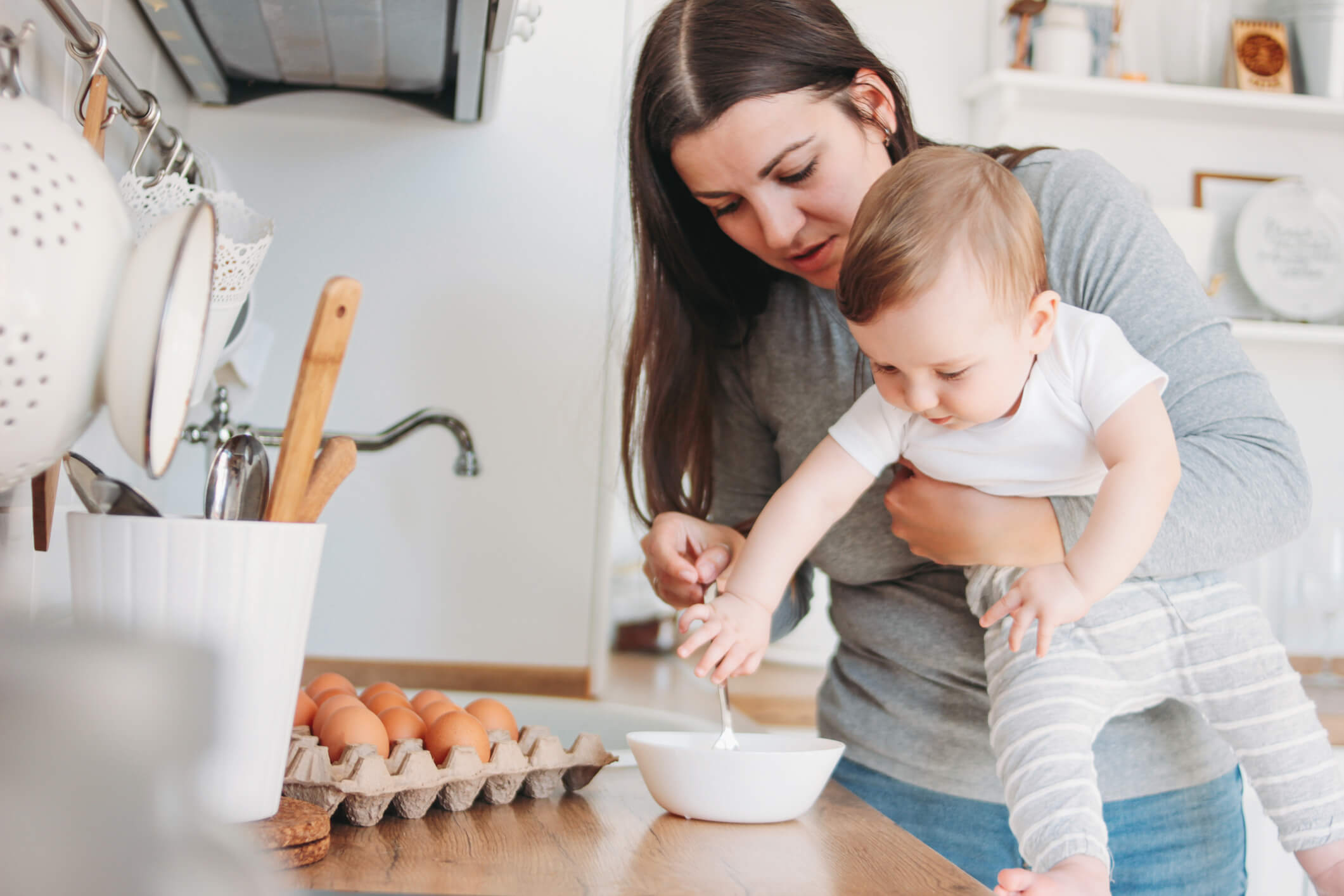
Involving children in the selection and preparation of fruits can also enhance their interest in consuming them. When children help wash, cut, and arrange fruit, they take ownership of their food choices and are more likely to eat what they’ve helped create.
Establishing healthy eating habits at an early age is crucial. For instance, if children are exposed to a variety of fruits regularly, they are more likely to develop a preference for these foods over time. This can include trying new fruits and learning to appreciate different flavors and textures, which is an important aspect of their culinary education.
-
Vitamin C – strengthens the immune system
-
Potassium – supports muscle and nerve function
-
Fibre – aids digestion and keeps tummies happy
-
Natural sugars – provide energy without processed additives
At The Hive Early Learning Centres, our educators promote a positive attitude toward healthy foods by making fruit a fun and consistent part of your child’s diet every day.
Encouraging Children to Enjoy Fruit
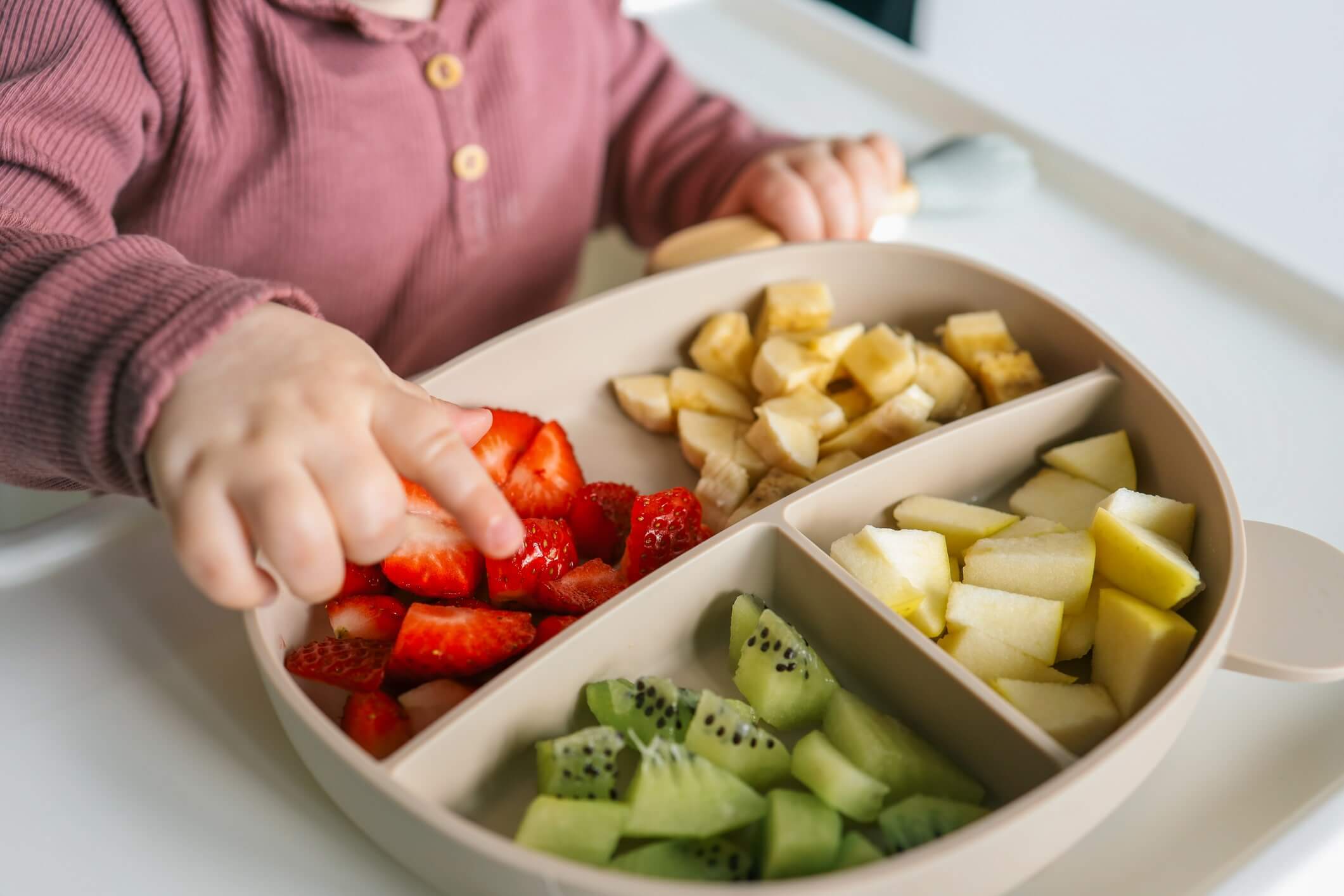
Children are more likely to try new foods when the experience is enjoyable. Our educators use creative and fun ways to encourage children to eat fruit, including:
In addition to making fruit visually appealing, we also encourage children to engage with their food through sensory exploration. For example, during group activities, children can touch, smell, and taste different fruits, which enhances their understanding and appreciation of healthy foods. This kind of hands-on learning is effective in making nutritious choices more exciting.
-
Colourful fruit platters
-
Exploring textures, colours, and flavours during group activities
-
Encouraging self-serving during snack times to promote independence
Self-serving also promotes autonomy in food choices. When children decide how much fruit to take, they learn to listen to their hunger cues and develop a sense of control over their eating habits. This approach can lead to more mindful eating practices as they grow older.
These activities help children feel involved and empowered, while developing a positive relationship with healthy eating in their child’s diet.
Our Seasonal, Fresh, and Child-Friendly Menu
At The Hive, we offer seasonal menus featuring the freshest produce. Our menu includes a variety of seasonal fruit for kids, carefully selected to meet nutritional guidelines and appeal to young taste buds.
Our seasonal approach introduces children to a wide range of flavours while supporting sustainable food choices and local produce where possible. Meals are freshly prepared daily by our in-centre cook and tailored to meet individual dietary needs.
Our commitment to seasonal menus means that children are exposed to a rotating variety of fruits throughout the year. This not only helps in maintaining their interest in fruit but also educates them about the different seasons and the types of fruits that are available during each one. Understanding the seasons can foster a greater appreciation for nature and food sources.
Fruit as Part of a Balanced Child’s Diet
While fruit is naturally nutritious, balance is key. At The Hive Early Learning Centres, fruit is served alongside other core food groups, including:
Moreover, combining fruits with other food groups enhances the overall nutritional profile of meals. For instance, pairing fruits with yogurt can increase calcium intake while adding protein, making for a more balanced snack or meal option. This kind of combination can also introduce children to new flavors and textures, making healthy eating more enjoyable.
-
Whole grains
-
Dairy
-
Lean proteins
-
Vegetables
We prioritise whole fruits over juices to provide maximum fibre and reduce unnecessary sugar intake—keeping children energised without the crash.
Choosing whole fruits over juices is a vital teaching point. Parents and educators can explain how whole fruits provide more fiber, which is essential for digestive health, and how juices can often be loaded with sugar, negating some of the health benefits. By prioritizing whole fruits, children learn about making healthier food choices from a young age.
Incorporating fruit regularly helps children understand the importance of a balanced child’s diet from a young age.
Building Healthy Habits for Life
By including fruit in mealtimes, play-based learning, and daily routines, we help children develop healthy habits naturally. Our goal is to inspire a love for fresh, wholesome food and encourage confident eaters from the very beginning.
Additionally, it’s important to create a positive mealtime environment. Discussing the benefits of fruits and sharing experiences about different fruits can create a more enjoyable atmosphere. When children associate mealtimes with fun and engagement, they are more willing to try new foods, including fruits.
Book a tour at The Hive Early Learning Centres today to see how we make healthy eating fun for kids and support a nutritious child’s diet!
FAQs About Fruit and Children’s Nutrition
Regular discussions about nutrition and the role fruits play can further enhance children’s understanding of healthy eating. Incorporating stories and information about where fruits come from and their health benefits can be both educational and motivating for children.
Q: How much fruit should my child eat?
A: Children aged 2–5 should aim for 1–2 servings of fruit per day, while 6–12 years should have 2–3 servings, according to Australian Dietary Guidelines. This ensures a balanced child’s diet.
For parents wondering how to make fruit more appealing, getting involved in fun cooking activities can be a great start. Making smoothies together or preparing fruit salads can turn fruit consumption into an enjoyable family activity.
Q: What are the best fruits for kids?
A: Apples, berries, bananas, oranges, and seasonal fruits are nutritious, tasty, and easy for children to enjoy, supporting kids nutrition and healthy eating habits.
Encouraging children to taste a variety of fruits can help them discover their favorites and expand their palate. Regularly introducing them to new fruits can keep mealtime exciting and engaging. This strategy not only supports a nutritious child’s diet but can also make healthy eating a lifelong habit.