
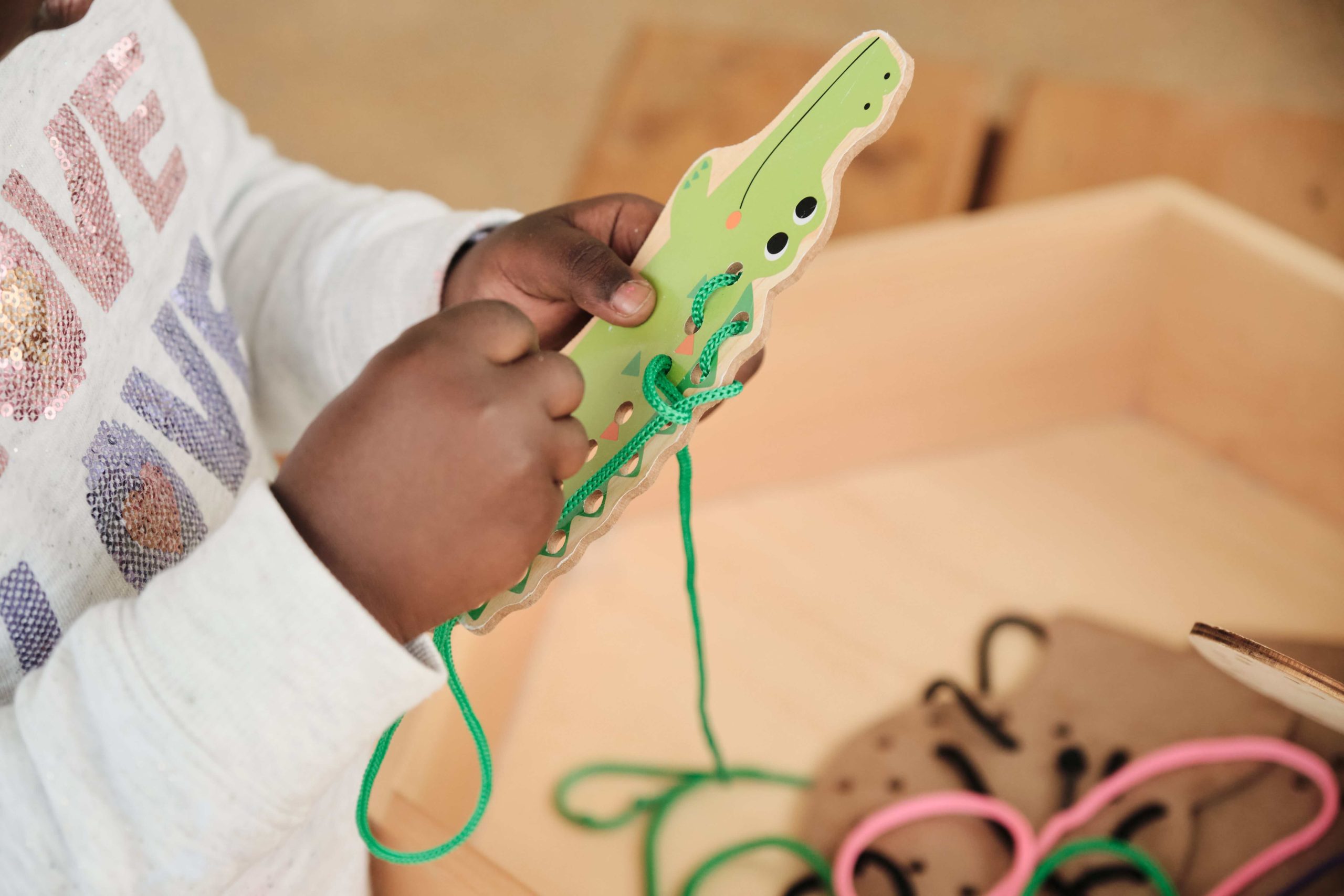
From stacking blocks to drawing pictures and catching a ball, hand-eye coordination is a vital skill that supports children’s growth, confidence, and independence. At The Hive Early Learning Centres, we provide purposeful play experiences every day that help children build this skill in fun, engaging ways — setting them up for success across all areas of development.
Hand-eye coordination is not just a skill for childhood; it continues to play an essential role throughout life. For adults, it impacts various activities such as driving, typing, and engaging in sports. By nurturing this skill from a young age, we prepare children for a lifetime of physical and cognitive engagement.
What is Hand-eye coordination?
Hand-eye coordination is the ability to use our eyes to guide our hands in movement. In early childhood, this means developing the connection between what children see and how their hands respond.
Hand-eye coordination is crucial for sports, where timing and precision can determine success. In games like basketball, players need to not only throw the ball accurately but also keep an eye on their teammates and opponents. This complex interplay of visual and motor skills is a perfect example of how vital hand-eye coordination becomes as children grow.
For example, children develop hand-eye coordination through activities like catching a ball. As they track the ball’s movement with their eyes, they must time their hand movements perfectly to catch it. This exercise enhances their reflexes and promotes spatial awareness.
It’s a foundational skill that supports many everyday tasks, including:
Children who develop strong hand-eye coordination often excel in academic activities, such as writing and drawing, which are foundational to their educational journey. By strengthening these skills, we set them up for success in school and beyond.
Moreover, hand-eye coordination also enhances a child’s ability to engage in creative activities like painting or crafting, as they learn to manipulate tools with precision and control. This leads not only to artistic expression but also to improved dexterity and fine motor skills.
- Feeding themselves with a spoon or fork
- Picking up and placing objects
- Building with blocks or threading beads
- Drawing, painting, and writing
- Catching, throwing, and kicking balls
- Dressing independently (buttons, zips, shoelaces)
Mastering these skills not only supports physical development — it also helps children feel more confident, capable, and ready to explore the world.
Additionally, when children master these skills, they learn to navigate their environment more confidently. This newfound confidence can encourage them to try new activities, further enhancing their overall development and social interactions.
How The Hive supports hand-eye coordination
Through our structured yet flexible approach at The Hive, we ensure that children are not just participating in play, but are actively developing critical skills through each activity. Our staff is trained to identify each child’s individual strengths and areas for growth, tailoring experiences to maximize their development.
At The Hive Early Learning Centres, we create intentional learning environments filled with opportunities for children to practise and refine their motor skills through play.
For example, when children engage in activities like threading beads, they are not only practicing their hand-eye coordination but also enhancing their problem-solving skills as they figure out how to align the beads on the string. This combination of skills is crucial as they prepare for more complex tasks later in life.
Each day, you’ll find children engaged in activities like:
Each activity we offer is designed to be developmentally appropriate and to foster a love for learning. For instance, when children are scooping and pouring in sensory trays, they are exploring concepts of volume and gravity, which are foundational to their understanding of science and mathematics.
- Building towers with wooden blocks
- Threading beads or pasta onto string
- Scooping and pouring in sensory trays
- Painting and drawing with various tools
- Catching bubbles or rolling balls to each other
- Nature play, like digging, collecting leaves, or balancing on logs
- Pincer grip activities, such as using tweezers or pegs
These activities aren’t just fun — they’re carefully chosen by our educators to support children’s developmental milestones in an age-appropriate and joyful way.
These activities also promote social interactions among peers, as children often work together to build, create, and play. This collaboration is essential for developing communication skills, empathy, and teamwork, which are vital for their future social engagements.
How YOU can help at home
Parents and carers play a big role in developing hand-eye coordination too! Here are a few simple ways to encourage it at home:
Watering the garden or pouring water during bath time can create a sensory-rich experience for children, fostering their curiosity and connection to nature while enhancing their hand-eye coordination.
Puzzles and stacking games are excellent for developing problem-solving skills and hand-eye coordination simultaneously. As children manipulate pieces to fit together, they are learning patience and persistence.
Classic games like “Simon Says” or “Catch” not only promote physical activity but also help children learn to follow directions, which is crucial for their cognitive development and ability to engage with others.
Setting up a craft corner encourages creativity and self-expression. As children cut, glue, and color, they are enhancing their fine motor skills and developing a sense of independence and accomplishment when they see their finished creations.
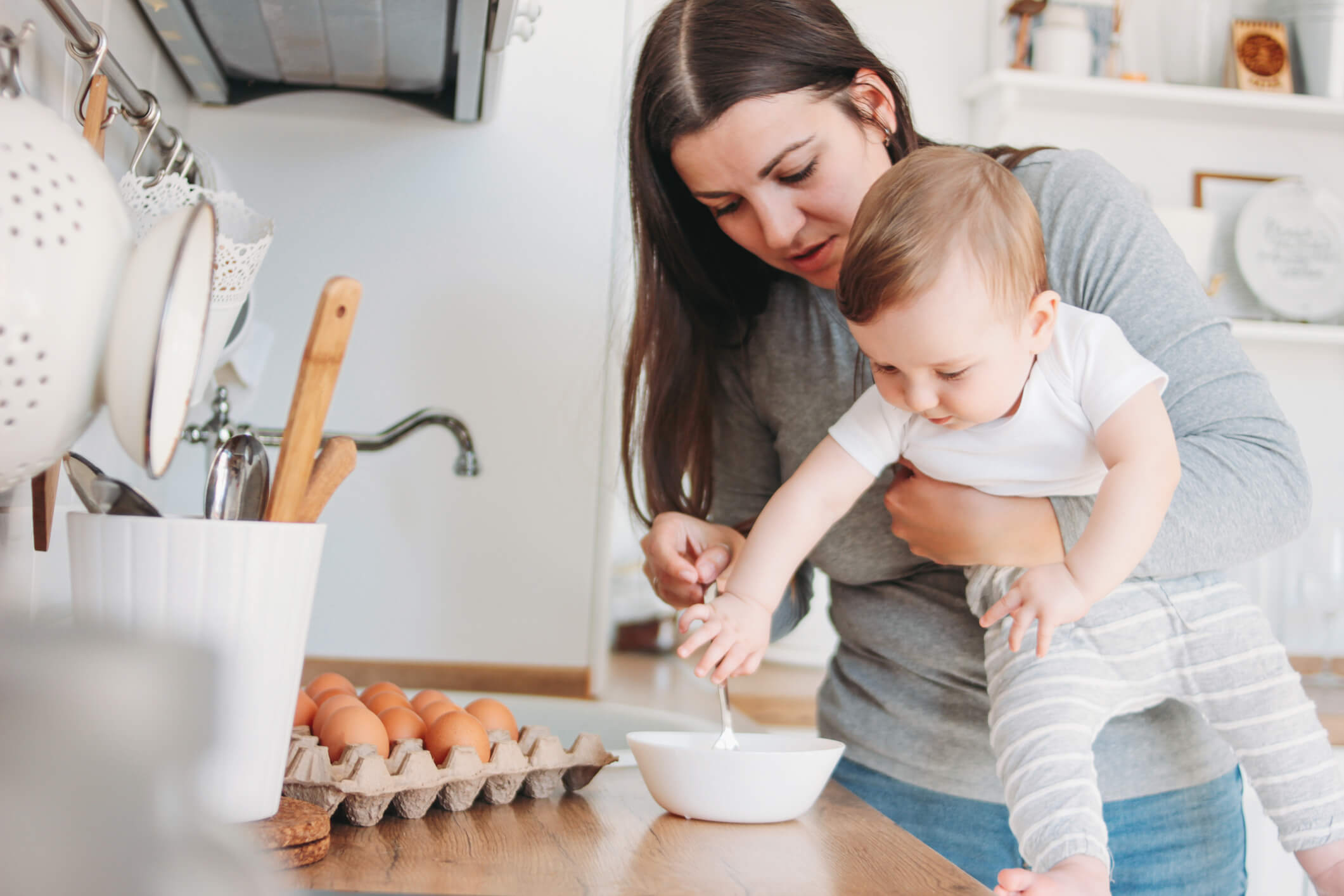
Involving children in food preparation not only strengthens their hand-eye coordination but also teaches them valuable life skills. Children learn to measure ingredients, follow instructions, and appreciate healthy eating habits, all of which can contribute to their overall well-being.
- Let children help with safe food prep (peeling bananas, stirring batter)
- Set up a craft corner with scissors, glue, and crayons
- Play classic games like “Simon Says”, “Catch”, or “Pop the Bubbles”
- Offer puzzles, stacking cups, or LEGO-style bricks
- Encourage activities like watering the garden, using a spray bottle, or pouring water into cups during bath time
The key is to make it fun and relaxed — pressure-free practice builds both skills and confidence.
By integrating fun with learning, we create a supportive environment where children feel safe to explore and practice their skills. This not only strengthens their hand-eye coordination but also builds their resilience and confidence in tackling new challenges.
Growing capable, confident children at The Hive
At The Hive Early Learning Centres, our educators are experts at turning everyday play into meaningful learning. We understand that building physical coordination in the early years is closely linked to school readiness, independence, and even emotional wellbeing.
At The Hive, we recognize the importance of each child’s unique journey. Our educators are dedicated to fostering an environment that encourages exploration, creativity, and growth, which are all vital for developing hand-eye coordination and other essential skills.
By supporting hand-eye coordination through open-ended play and hands-on experiences, we’re helping children grow into capable, confident learners — ready to take on new challenges one small (but mighty) step at a time.
As children engage in various activities, they are not just learning about hand-eye coordination but also developing social skills, emotional awareness, and cognitive abilities that will serve them throughout their lives.
Curious about how our environments support your child’s development?
Book a tour at The Hive Early Learning Centres — and discover a space where your child’s skills, confidence, and curiosity can truly thrive.
Come witness how our nurturing environment at The Hive equips children with the tools they need to thrive. Your child’s journey towards mastering hand-eye coordination begins here, and we invite you to be a part of this exciting adventure in their development.